 Salkantay Trekking Tours
Doing the Salkantay Trek Without a Guide
A Salkantay trek without a guide is possible, according to the sources behind this page, and it is what this page is about. Unlike the Inca Trail, no permit, agency or licensed guide is required on the Salkantay route, so independent hikers can walk from Mollepata or Soraypampa to Aguas Calientes on their own. This guide covers the practical side: getting to the trailhead by colectivo or taxi, what camping, food and water cost along the way, how to buy the Machu Picchu ticket yourself, and the walk in from Hidroeléctrica. It also flags the points where carrying your own pack stops making sense and a guided trek is the better deal. For the route stage by stage, see the Salkantay trek map. The bookable treks are compared on all Salkantay trek tours.
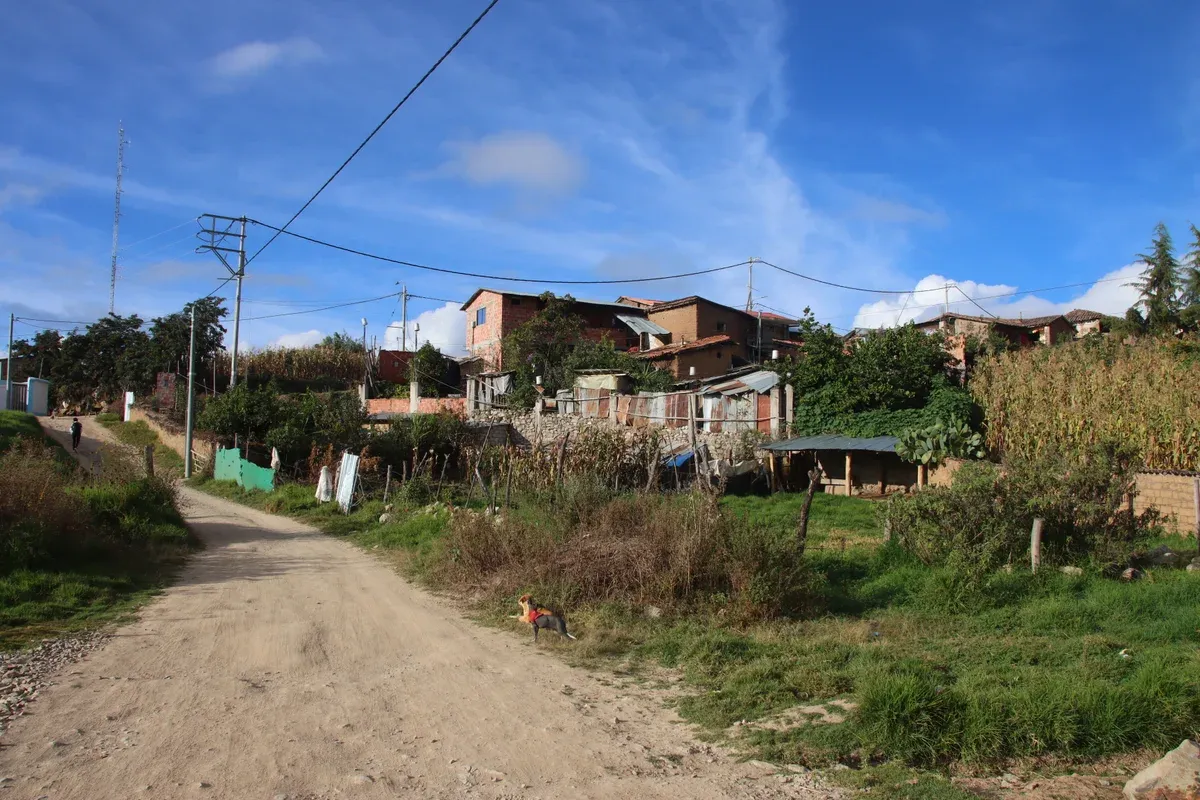
Mollepata, the village at the start of the classic Salkantay route. Photo: Draceane, CC BY-SA 4.0, via Wikimedia Commons
Quick answer Yes, a guide is not required
Yes, you can do the Salkantay trek without a guide. No permit or agency is needed, and one independent budget puts the total at about 400 soles (roughly US$120) before the Machu Picchu entry ticket. One guide says no daily limit applies on the trail. The trade is that you carry your own pack, arrange your own camps and buy your own Machu Picchu ticket, which tourism-site summaries list at S/152 for the standard circuits.
Key takeaways
- Transport: a colectivo from Cusco to Mollepata costs about 15 soles and takes around 3 hours, a taxi S/60 to 80. Details in getting to the trailhead.
- Budget: campsites run 5 to 10 soles a night, the trek fee is 10 to 20 soles, and dorm beds in Aguas Calientes start at about 26 soles (US$8).
- The Machu Picchu ticket is bought at tuboleto.cultura.pe or from one of the 1,000 in-person tickets sold daily in Aguas Calientes. See the ticket section.
- If self-sufficiency sounds like work, the lowest guided price on this site is $300 for the Salkantay Panoramic Domes Trek, or compare all bookable treks on the Salkantay trek tours homepage.
- The full stage-by-stage route with distances lives on the Salkantay trek map page.
Getting to the Trailhead
Independent hikers make their own way from Cusco to Mollepata, then on to Challacancha or Soraypampa, and back from Hidroeléctrica or Aguas Calientes at the end.
Cusco to Mollepata and Soraypampa
Colectivo minibuses to Mollepata leave Cusco from near the junction of Arcopata and Avenida Apurimac, usually around 7 to 8 in the morning. The ride costs about 15 soles and takes about 3 hours. Wikivoyage quotes S/15 to 20 for the shared minibus and S/60 to 80 for a taxi from Cusco.
Mollepata sits at about 2,800 m and is the traditional trailhead, but starting there adds roughly 20 km of walking to Soraypampa, which most operators skip by driving up. Independent hikers either walk or arrange a vehicle from Mollepata to Challacancha or Soraypampa. Wikivoyage lists S/50 per person for tour-group vehicles running direct to Soraypampa. Soraypampa sits at about 3,900 m, so sleeping there on night one means a cold night. The best time to do the Salkantay trek matters here, because operator sources put night temperatures at about 0 C in the wet season and minus 5 C in winter.
At the start you pay the trek fee, quoted at S/20 near the Mollepata car park by Wikivoyage and at 10 soles by Stingy Nomads, so budget 10 to 20 soles.
Every Leg and What It Costs
The table pulls together the published fares and times for each leg of an independent Salkantay trek, from the Cusco departure to the gates of Machu Picchu. Train fares for the Hidroeléctrica leg differ between sources, so both figures are given.
| Leg | How | Cost | Time |
|---|---|---|---|
| Cusco to Mollepata | Colectivo minibus from Arcopata and Avenida Apurimac, or taxi | About 15 soles by colectivo, S/60 to 80 by taxi | About 3 hours |
| Mollepata to Soraypampa or Challacancha | A vehicle from Mollepata, or walk the 20 km | S/50 per person listed for tour-group vehicles direct to Soraypampa | not stated |
| Hidroeléctrica to Aguas Calientes | Walk the railway tracks, or train | US$31 for foreigners (Wikivoyage), 60 soles or about US$19 (Stingy Nomads) | Walk about 2.5 to 3 hours over 10 to 11 km, train about 30 minutes |
| Aguas Calientes to Machu Picchu | Consettur bus, or walk up the stairs | US$12 one way or US$24 round trip by bus | Bus about 30 minutes, walk 45 to 60 minutes uphill |
The Walk in from Hidroeléctrica
The last leg of most independent itineraries is the flat walk from Hidroeléctrica at 1,890 m along the railway to Aguas Calientes at 2,040 m. Wikivoyage lists it as 10 km and The Hiking Life as a flat 11 km, taking about 2.5 to 3 hours. If your knees are done, the train from Hidroeléctrica to Aguas Calientes takes about 30 minutes, and the fare is quoted at US$31 for foreigners by Wikivoyage and at about 60 soles, roughly US$19, by Stingy Nomads.
For the return to Cusco, the standard independent route is a train from Aguas Calientes to Ollantaytambo and then a colectivo or taxi, about 3 to 4 hours in total. The Salkantay trek cost page adds up the whole budget leg by leg.
Sources: Wikivoyage, The Hiking Life, Stingy Nomads, PeruRail
Camps, Food and Water on the Trail
Going without a guide means carrying a tent or paying for simple beds, buying meals in the settlements and treating your own water.
Where You Sleep and What It Costs
Established campsites along the route cost roughly 5 to 10 soles. Wikivoyage reports about S/5 per person at established campsites, Stingy Nomads paid about 10 soles per tent at Soraypampa, and The Hiking Life found camps at about 7 to 10 soles per night. Take a tent anyway, because not every campsite has indoor beds.
If you want a roof, options exist. Sky Dome camps at Soraypampa have clear ceilings, shared bathrooms and hot showers for S/10 on the second night in one trekker's account, and Andean huts at Chaullay are the night-two stop on one 4-day route, at about 2,900 m. Lodging is also reported at Huayracmachay, Collpapampa and Chaullay along the descent into cloud forest. The high camps sit near 3,900 m, so bring a sleeping bag rated to about minus 10 C and check the Salkantay trek packing list.
Food, Water and Navigation
You do not need to carry five days of food. The Hiking Life's advice is to start with no more than two days of food and buy meals at Soraypampa, Colpapampa and La Playa. Wikivoyage confirms that shops and small eateries exist in the settlements and that food gets easier to find after Collapampa. One trekker's family-run stop on day 2 offered a covered terrace to sleep on plus dinner and breakfast.
Water is available throughout the route. The Hiking Life never carried more than 1.5 litres at a time and recommends treating it, since there is nobody supplying boiled water the way a guided group gets. On the practical side, one trekker reports no pharmacies or doctors along the way, so carry your own blister kit and medication.
The route runs through settlements, and the stage-by-stage distances on the Salkantay trek map page are enough to plan camps. The hardest stretch is day 2, 20 to 25 km depending on the source, from Soraypampa over Salkantay Pass at about 4,630 m, a climb of 7 km with steep switchbacks followed by a long knee-punishing descent. Acclimatise with 2 to 3 days in Cusco first, and read up on how hard the Salkantay trek is before you commit to carrying your own pack over the pass.
Sources: The Hiking Life, Wikivoyage, Stingy Nomads
The Machu Picchu Ticket on Your Own
Without a tour, nobody buys the ticket for you, and entry rules apply to independents and guided groups alike.
Buying It Yourself
Buy the ticket in advance on the official Ministry of Culture site, tuboleto.cultura.pe, and print or download it, because entry requires a passport matching the purchase. Andina reports tickets are sold exclusively through that site, while other guides also note sales in Cusco offices and in Aguas Calientes, where 1,000 in-person tickets per day are available. Relying on those in-person tickets at the end of a trek is a gamble in high season, when daily capacity is 5,600 against 4,500 the rest of the year.
Prices: tourism-site summaries list the 2026 foreign adult rate as S/152 for Circuit 2 Classic and the upper terrace routes of Circuit 1, and S/200 for the Machu Picchu Mountain, Huayna Picchu and Great Cavern tickets, with student rates of S/77 and S/125. Check the current price on tuboleto.cultura.pe before you book.
Circuits, Hours and the Rules That Catch People Out
Machu Picchu has three circuits split into ten routes, and your ticket fixes which one you walk. Classic circuits allow about 2 to 3 hours inside the site, mountain tickets about 5 to 7 hours. Entry requires an authorised tour guide, so as an independent hiker you need to book a guided visit, which some treks include. Huayna Picchu has only 350 tickets a day in slots of 8:00 to 9:00 and 10:00 to 11:00, and Machu Picchu Mountain slots run 7:00 to 8:00 and 9:00 to 10:00.
Hours are 6:00 to 17:00 daily, the entry tolerance is 45 minutes after your slot in high season and 30 in low season, with no grace period for mountain hikes. Tickets are non-transferable, non-refundable and valid for one entry only. Food, drones, tripods, large selfie sticks and umbrellas are prohibited inside, though water bottles are allowed.
Sources: Andina, TreXperience ticket guide, Along Dusty Roads
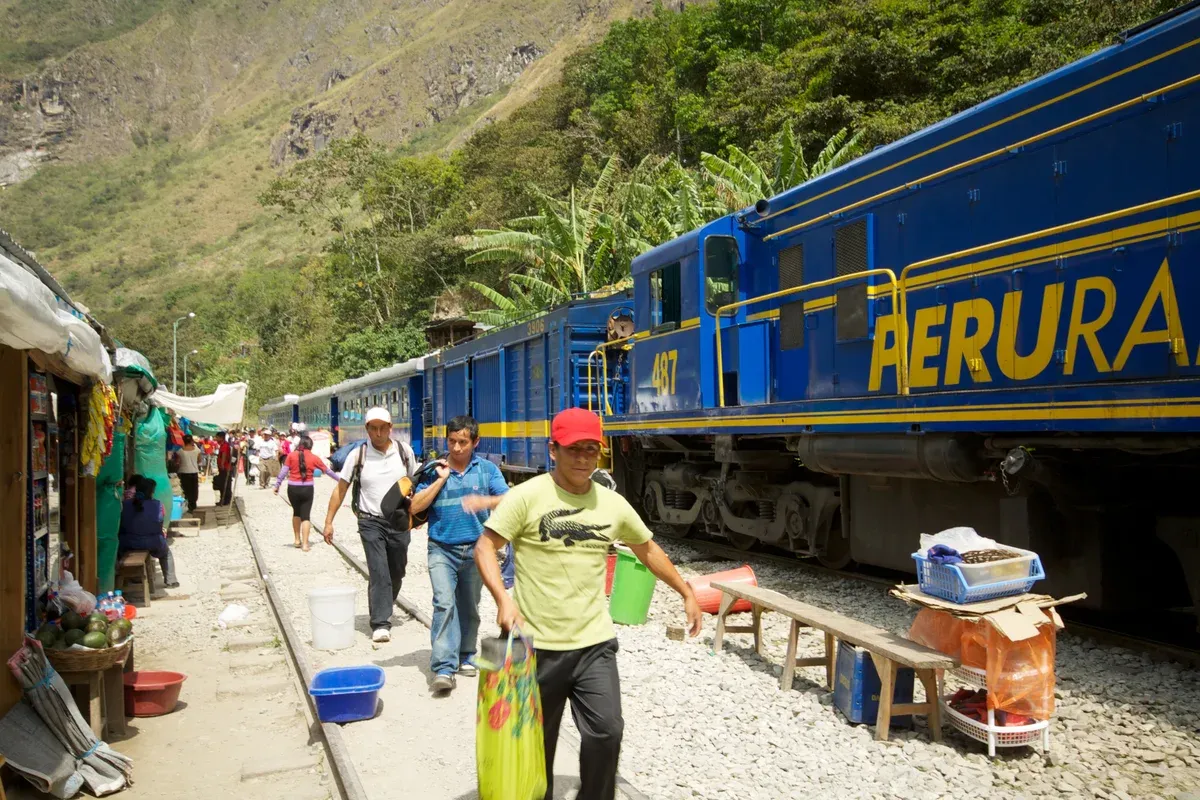
The Hidroeléctrica station, where the trek meets the railway to Aguas Calientes. Photo: McKay Savage from London, UK, CC BY 2.0, via Wikimedia Commons
When a Guided Trek Is Worth It
The Hiking Life says more than 95 percent of Salkantay hikers go with a guided group.
What a Guide Actually Carries for You
A guided trek buys you mules or horses to carry most of the baggage, a cook, boiled water for refilling bottles at meals and in the mornings, and food and camping included. One 4-day tour with meals, camping, Machu Picchu entry and transport from Cusco cost a blogger 400 USD, and one source puts guided treks at typically US$250 to 450, and another gives about 300 to 700 USD for 3, 4 and 5-day treks.
Doing the maths yourself: Stingy Nomads' independent baseline is about 400 soles, roughly US$120, plus gear rental of 160 to 260 soles, plus the Machu Picchu ticket at S/152, plus your hotel nights and the return train.
The Cheapest Guided Options and the All-in Ones
The lowest guided price on this site is $300 for the Salkantay Panoramic Domes Trek, a 5-day route with glamping domes and a hotel night in Machu Picchu town. Read its inclusions carefully: the guided Machu Picchu visit is included but the entry ticket, the sleeping bag and the return train or bus are paid on top.
If you want the ticket and the way home handled, three treks cover them. The Classic 5-Day Salkantay Trek at $760 includes the Machu Picchu ticket, three nights of dome and tent camping, a 3-star hotel in Aguas Calientes and a panoramic train back. The Salkantay Glass Cabins Trek at $695 includes entry fees, the Machu Picchu bus and the train, with glass cabins and a 4-star hotel night. The Salkantay Trek with Vistadome Train at $698 includes both entrance tickets and a Vistadome return. The full breakdown of every listing sits in the comparison table on the homepage of Salkantay trekking tours.
Sources: The Hiking Life, The Discoveries Of, Brooke Beyond
Where to Sleep Before and After
Each link opens the live room list for that base. Cusco is where you acclimatise and where every trek pickup starts, Aguas Calientes is the town below Machu Picchu where independent hikers sleep before the site.
Cusco, historic centre
- Suits
- The 2 to 3 nights of acclimatising before the trek, and an early pickup
Cusco sits at about 3,400 m, so the first nights here are part of the trek.
See stays in Cusco, historic centreCusco, San Blas
- Suits
- A quieter base a few streets uphill from the plaza
The lanes are steep, so ask about stairs if you arrive short of breath.
See stays in Cusco, San BlasAguas Calientes
- Suits
- The night before an early entry to Machu Picchu
The Consettur buses up to the site leave from the town.
See stays in Aguas CalientesIndependent Trek FAQ
Can you hike the Salkantay trek without a guide?
Yes. No permits, daily limit or agency is required on the Salkantay, which is the main legal difference from the Inca Trail. The practical planning, from trailhead transport to the ticket, is laid out in this guide to the Salkantay trek without a guide.
How much does the Salkantay trek cost on your own?
One independent budget puts the trek itself at about 400 soles, roughly US$120, before the Machu Picchu ticket of S/152 for the standard circuits. Add gear rental of 160 to 260 soles if you do not own a kit. The full itemised budget is on the Salkantay trek cost page.
Where do you sleep on an independent Salkantay trek?
Campsites charge about 5 to 10 soles a night and you need your own tent, since not every site has indoor beds. Dome stays at Soraypampa and huts at Chaullay exist for a fee, and dorm beds in Aguas Calientes start at about 26 soles (US$8). The Salkantay trek map shows where each night stop falls.
How do you get to the Salkantay trailhead from Cusco by yourself?
A colectivo minibus from near Arcopata and Avenida Apurimac in Cusco reaches Mollepata in about 3 hours for about 15 soles, and a vehicle can be arranged on to Challacancha or Soraypampa. A taxi from Cusco runs S/60 to 80. The leg-by-leg fares are in the getting to the trailhead table above.
Do independent hikers need to book the Machu Picchu ticket in advance?
Buy it in advance at tuboleto.cultura.pe, because entry needs a passport-matched ticket and only 1,000 in-person tickets a day are sold in Aguas Calientes. Tickets are non-refundable and valid for one entry, and the circuit rules are explained in the ticket section.